
What to Eat With Liver Cancer: Nutrition That Supports Liver Function
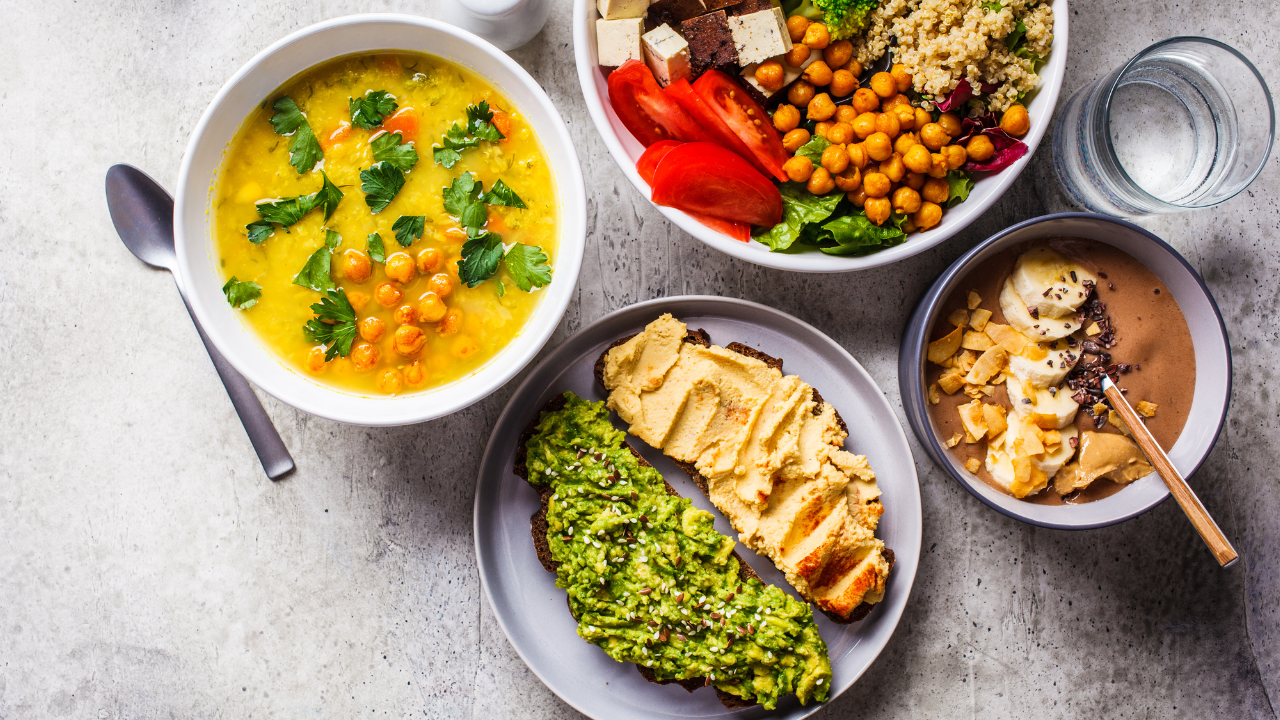
People diagnosed with liver cancer often ask the same question: what can I eat without overloading my liver? Because the liver is essential for digestion, detoxification, and metabolism, food choices can strongly influence daily symptoms, energy levels, and overall well-being.
Nutrition does not treat liver cancer, but it plays a critical supportive role. A well-adapted diet can reduce metabolic stress, support remaining liver function, and help the body cope better during this difficult period.
How Liver Cancer Affects Digestion and Metabolism
The liver processes proteins, fats, carbohydrates, and toxins. When cancer affects the liver, these processes slow down or become inefficient. This often leads to fatigue, poor appetite, nausea, bloating, and unintended weight loss.
Because digestion is compromised, foods that were previously well tolerated may now cause discomfort. This is why nutrition in liver cancer must focus on simplicity, digestibility, and reduced toxic load.
Why Nutrition Matters in Liver Cancer
Dietary choices directly affect how hard the liver has to work. Certain foods increase inflammation and metabolic burden, while others are easier to process and help maintain nutritional balance.
Proper nutrition can:
-
support energy levels
-
reduce digestive discomfort
-
help maintain muscle mass
-
support immune function
Poor food choices, on the other hand, may worsen symptoms and accelerate liver exhaustion.
General Principles of a Liver-Friendly Diet
In liver cancer, the goal is not restrictive dieting, but supportive eating. Meals should be based on foods that are easier to digest and less demanding for liver metabolism.
A liver-supportive diet emphasizes:
-
cooked, easy-to-digest foods
-
moderate portions
-
clean ingredients with minimal additives
-
regular meal timing
Large meals, highly processed foods, and excessive fat or sugar increase liver workload and should be avoided.
The Importance of Individual Tolerance
There is no single diet that works for everyone with liver cancer. Symptoms, liver function, and treatment stage vary widely. Foods that feel comfortable for one person may cause discomfort for another.
Listening to the body is essential. Signs such as bloating, nausea, extreme fatigue, or digestive pain after meals indicate that dietary adjustments are needed. Nutrition should remain flexible and individualized, not rigid.
What Nutrition Can and Cannot Do
It is important to be realistic. Nutrition:
-
supports the body
-
reduces unnecessary metabolic stress
-
improves quality of life
Nutrition does not cure liver cancer and should never replace medical treatment. Its role is supportive, not therapeutic.
Living with liver cancer places enormous demands on the body, especially on digestion and metabolism. While nutrition cannot change the diagnosis, it can influence how the body copes on a daily basis.
Choosing foods that support liver function, avoiding those that overload it, and maintaining consistent, balanced meals can make a meaningful difference over time.
This article is for educational purposes only and does not replace medical advice or treatment. Dietary changes should always be discussed with a qualified healthcare professional.
Explore in-depth how integrative nutrition is used in our oncological protocols.